Serviced Offices in Covent Garden
London's theatrical heart. Covent Garden combines the world-famous market (restored neo-classical beauty), Royal Opera House, and West End theatres with genuine business activity. Street performers continue traditions dating to 1662. Media companies, fashion brands, and creative agencies who want energy and iconic address.
The vibe
Theatrical energy, commercial savvy. Covent Garden is London's most recognisable market. Inigo Jones designed the Italianate piazza in the 1630s; Charles Fowler's neo-classical market building (1830) now houses shops rather than vegetables. Street performers entertain in front of St Paul's Church (the actors' church) continuing traditions since 1662. Royal Opera House anchors cultural prestige. The energy is relentless: tourists, theatre-goers, shoppers, diners fill the streets. For businesses, it's brand association; your address signals creative confidence. Surrounding streets offer calmer workspace than market-adjacent.
The buildings
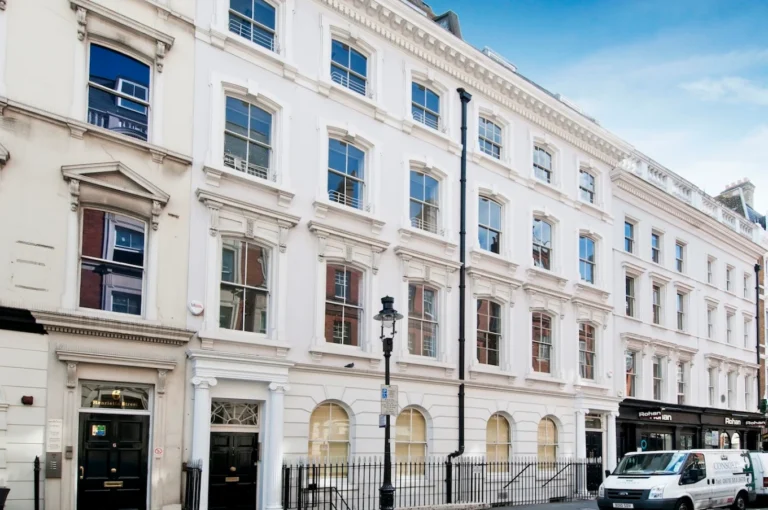
Georgian and Victorian predominate, with market buildings as centrepiece. Theatre Royal Drury Lane (rebuilt multiple times, current building 1812) adds architectural drama. Office space typically occupies period buildings on surrounding streets; expect character (high ceilings, original features) with period building challenges (variable air conditioning, potential lift limitations). Modern fit-outs within historic shells common. Market-facing buildings have energy and noise; streets behind offer relative calm. Ask about soundproofing if focus matters.
Getting around
Covent Garden station is tiny and crushingly busy. Leicester Square (Northern, Piccadilly) is often easier. Charing Cross (Bakerloo, Northern, National Rail) serves the southern edge. Holborn (Central, Piccadilly) is 8 minutes north. The Strand is walkable. The area is central to everything but station capacity is the weakness.
Who this neighbourhood suits
Best for: Media companies, fashion brands, entertainment businesses, creative agencies, and organisations whose brand benefits from theatrical association. Teams who thrive on energy and don't mind crowds. Not for: Businesses requiring quiet focus, cost-conscious operations, or anyone who finds tourist crowds exhausting. The buzz is feature or bug depending on your tolerance.
Highlights
- Royal Opera House; world-class cultural anchor
- Iconic market; neo-classical beauty, global recognition
- Theatreland. West End shows, creative energy
- Central location; walkable to everywhere
- Wide price range; £400-1,350/desk depending on building
How it compares
Covent Garden offers theatrical energy. Here's how it compares:
Soho
- Price: Similar pricing
- Vibe: More media/production focused
- Best for: Film, advertising, music
Holborn
- Price: Similar to lower
- Vibe: Professional, legal heritage
- Best for: Quieter professional work
Transport options
| Station | Lines | Walk (mins) |
|---|---|---|
| Covent Garden | Piccadilly | 3 |
| Leicester Square | Northern, Piccadilly | 5 |
| Charing Cross | Bakerloo, Northern, National Rail | 7 |
Pricing
Typical monthly price range (per desk): £400–£1,350.
January 2026 data. Wide range reflects building variety.
Methodology: Surveyed 15+ Covent Garden providers. Updated quarterly.
Nearby neighbourhoods
- Soho (soho): Media cluster, similar energy
- Holborn (holborn): Professional quiet, legal heritage
- Strand (strand): Historic thoroughfare
- Bloomsbury (bloomsbury): Academic calm, British Museum
FAQs
Is Covent Garden too touristy for business?
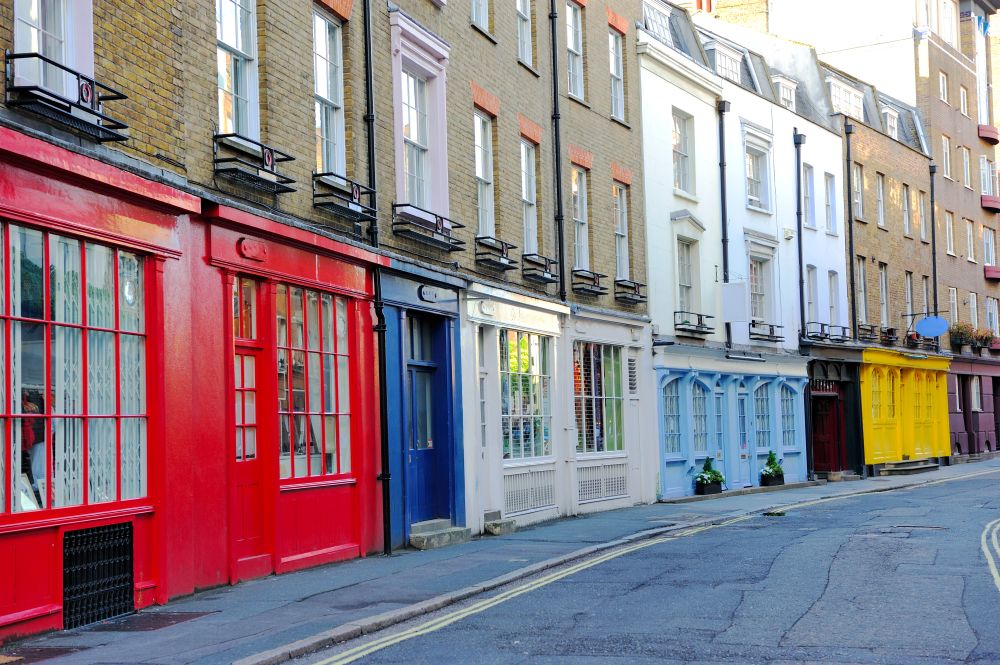
The market piazza is intensely touristy. However, many office buildings are on quieter surrounding streets. Neal Street, Endell Street, Long Acre. The energy can be advantageous for businesses benefiting from energetic atmosphere. Location choice within Covent Garden matters significantly.
What's included; and what varies in Covent Garden?
Standard inclusions: high-speed internet, furnished workspace, meeting room credits, kitchen access, cleaning, utilities, and 24/7 access. What varies in Covent Garden: noise levels (market-facing vs quiet streets differ significantly), building character (heritage vs modern fit-out), air conditioning (period buildings may lack it). The £400-1,350 range reflects genuine quality differences. Ask about soundproofing and window orientation.
What makes Covent Garden unique for businesses?
Rare combination of historic prestige, central location linking Westminster and City, cultural vibrancy from theatres, and international recognition. The address impresses; the energy inspires. For the right business, there's nowhere quite like it.
Are meeting rooms adequate?
Most buildings include meeting rooms. For impressive client settings, the Royal Opera House has corporate hospitality, and numerous hotels (The Savoy, Covent Garden Hotel) offer day-rate hire. Theatre venues sometimes available for events.
What's the food and amenities scene?
Exceptional but crowded. Every cuisine represented within walking distance; from celebrity chef restaurants to reliable chains to independent finds. Opera Terrace at Royal Opera House for special occasions. Dishoom King's Cross or Covent Garden for reliable crowd-pleasers. Market piazza has food traders. The challenge is crowds rather than quality; book ahead for anywhere notable, especially pre-theatre. For quiet client lunches, surrounding streets beat the piazza.
How do you handle the crowds?
Choose building location carefully; streets behind the market are significantly calmer. Avoid walking through the piazza at peak times. Use Leicester Square station instead of Covent Garden. The energy is feature or bug depending on your business.
What's it actually like working here?
Expect: Street performers outside, theatre programmes in every cafe, tourists photographing everything, excellent restaurants, cultural events, energy that some find inspiring and others find exhausting. Don't expect: Quiet focus, easy tube access (station is tiny), affordable lunches near the market, or anywhere parking. Covent Garden is spectacle; embrace it or choose elsewhere.