Serviced Offices in Clerkenwell
Zaha Hadid Architects is based here. So are Foster + Partners' spin-offs and half the practices you've heard of. Over 100 design showrooms make Clerkenwell a global destination during Design Week. If your business is architecture, interiors, or anything visual; your peers are already here.
The Vibe
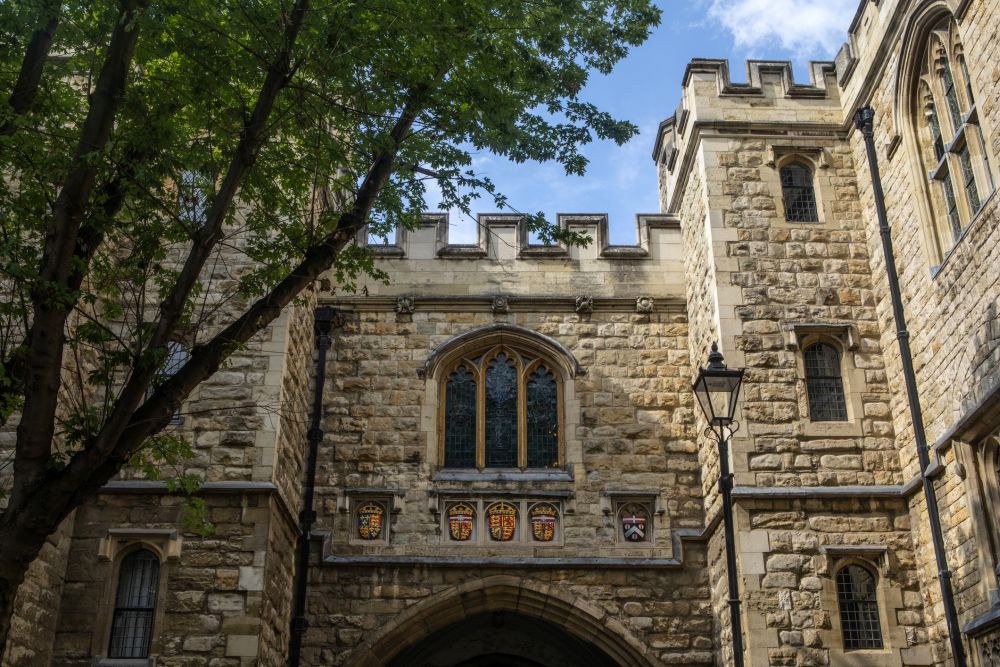
Refined creative, village scale. Cobbled streets and hidden courtyards. The Sunday Times named it London's best place to live in 2024; the reasons work for businesses too. More sophisticated than Shoreditch (no street art, actual restaurants), more creative than the City. Architects and designers who want credibility without chaos cluster here. The Charterhouse survives from the 14th century; medieval almshouses now open for tours. St John restaurant pioneered nose-to-tail dining here. The Jerusalem Tavern claims to be one of London's smallest pubs. History layers with design throughout the neighbourhood.
The Buildings
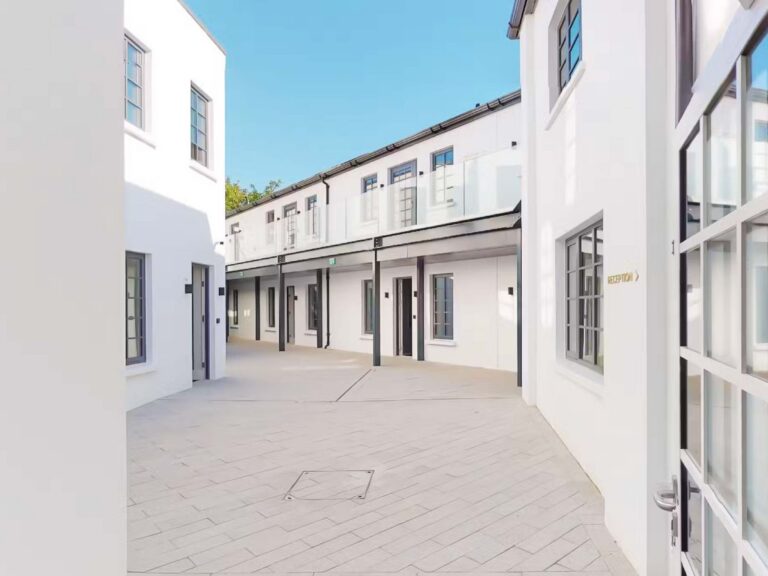
Georgian townhouses and Victorian workshops. The buildings that housed watchmakers and printers now house architects and designers. Expect exposed brick, but with better pointing. High ceilings, but with considered lighting. The 100+ showrooms mean your neighbours understand fit-out; standards are visibly higher than generic business districts. The Marx Memorial Library occupies a Georgian townhouse where Lenin edited a revolutionary newspaper; now a working archive with reading room. Brewery buildings have been converted throughout; brewing returns with craft operations like Clerkenwell Brewery. The area rewards exploration on foot.
Getting Around
Farringdon transformed with the Elizabeth line; now direct to Heathrow in 45 minutes, Liverpool Street in 4 minutes. Also: Thameslink (north-south), Metropolitan, Hammersmith & City, Circle. Barbican and Angel offer alternatives. 10 minutes walk to the City; 8 minutes to Old Street.
Who this neighbourhood suits
Best for: Architects, designers, creative agencies, professional services wanting sophistication without corporate sterility. Not for: Businesses needing large floorplates or maximum corporate formality. Noise level: Quiet; village atmosphere, residential neighbours. Your address signals design literacy to clients and potential hires. In architecture, that matters.
Highlights
- Zaha Hadid, Foster spin-offs, and 100+ practices
- Cobbled streets with village-in-the-city feel
- Elizabeth line: Heathrow in 45 mins
- Exmouth Market and Leather Lane for lunch
- Clerkenwell Design Week: global industry event
How it compares
Clerkenwell vs nearby alternatives:
Shoreditch
- Price: £210+ (can be cheaper)
- Vibe: Refined vs raw
- Best for: Businesses wanting creative credibility with sophistication
Farringdon
- Price: Same area, overlapping
- Vibe: Transport focus vs design focus
- Best for: Businesses prioritising Elizabeth line over neighbourhood character
Transport options
| Station | Lines | Walk (mins) |
|---|---|---|
| Farringdon | Elizabeth, Thameslink, Metropolitan, H&C, Circle | 8 mins |
| Barbican | Metropolitan, H&C, Circle | 10 mins |
| Angel | Northern | 12 mins |
Pricing
Typical monthly price range (per desk): £400–£1,350.
Wide range. Median around £700/desk. (January 2026 data)
Methodology: Surveyed from managed office providers in this area. Updated quarterly.
Nearby neighbourhoods
- Farringdon (farringdon): Same area, transport-focused framing
- Shoreditch (shoreditch): More startup energy, cheaper entry point
- Holborn (holborn): More corporate, closer to legal district
- Islington/Highbury (islington-highbury): North London character
FAQs
What's the difference between Clerkenwell and Shoreditch?
Sophistication vs energy. Clerkenwell has cobbled streets; Shoreditch has street art. Clerkenwell has gastropubs with natural wine; Shoreditch has craft beer and ping pong. Both creative, but Clerkenwell is where you go when you want to be taken seriously without wearing a suit. Average age is higher; average noise level is lower.
What's included; and why does fit-out quality matter here?
Standard: internet, furniture, meeting rooms, kitchen, cleaning, utilities; but fit-out quality is visibly higher because your neighbours are architects. The Clerkenwell difference: your neighbours are architects and designers. Fit-out quality is visibly higher than generic business districts; exposed brick is properly pointed, lighting is considered, furniture is curated. You're paying partly for an environment where the details have been sweated. That matters if your clients notice details.
How long will my team's commute be?
From the City: 10 mins. From West End: 15-20 mins. From Islington: 10 mins. From South London: 25-30 mins. From Heathrow: 45 mins (Elizabeth line direct). Farringdon's Elizabeth line connection significantly improved westward access. The Elizabeth line at Farringdon transformed connectivity; you can reach Canary Wharf, Liverpool Street, Paddington, and Heathrow on the same line. Thameslink goes north-south through central London. For architects visiting projects, the transport hub matters.
Are meeting rooms suitable for client presentations?
Often impressive. Clerkenwell meeting rooms tend toward characterful: exposed brick, original features, design-conscious fit-out. Clients in creative industries will appreciate this. For more formal presentations, room sizes tend toward intimate rather than boardroom-scale given the building stock. Check capacity during viewing. The Design Museum is now in Kensington, but Clerkenwell's showrooms offer private event hire during Design Week and sometimes beyond. St John's restaurant private room works for client dinners with architectural credibility.
Is 24/7 access available?
Yes in most managed offices. Clerkenwell is quieter evenings and weekends than Shoreditch; more residential character. You'll have the cobbled streets largely to yourself. Some buildings in residential areas have noise considerations. The neighbourhood has a residential character evenings and weekends; quieter than Shoreditch.
Why do architects cluster here specifically?
History and network effects. Architects discovered cheap warehouse space here in the 1970s. Success bred success; suppliers, collaborators, and design showrooms followed. Now 100+ showrooms and Clerkenwell Design Week make it self-reinforcing. Your future collaborators, model makers, and talent are already walking these streets.
What's it actually like working here?
Expect: Cobbled streets, architects in black, showroom visits at lunch, exceptional food (Exmouth Market, Moro, Quality Chop House), hidden courtyards, genuine village feel. Don't expect: Cheap rents, large floor plates, nightlife, or anyone wearing branded tech hoodies. Clerkenwell is established creative.