Serviced Offices in Old Street
The heart of Silicon Roundabout. Old Street became synonymous with London's tech sector after the 2008 financial crisis made warehouse space affordable for startups. Dopplr, Last.fm, TweetDeck, MOO started here. Government backed the cluster from 2010. Today: established tech ecosystem with Cisco, Facebook, Google nearby.
The vibe
Silicon Roundabout's beating heart. Old Street became London's tech epicentre almost accidentally; the 2008 financial crisis suppressed rents, web startups clustered around the roundabout, government support followed from 2010. Dopplr, Last.fm, TweetDeck, MOO were early arrivals; Google, Amazon, Cisco established presence as the area matured. The startup energy persists but has professionalised; less scrappy chaos, more scale-up ambition. Impact tech and B Corp businesses cluster. The vibe is relentlessly entrepreneurial; those seeking calm focus might find it exhausting.
The buildings
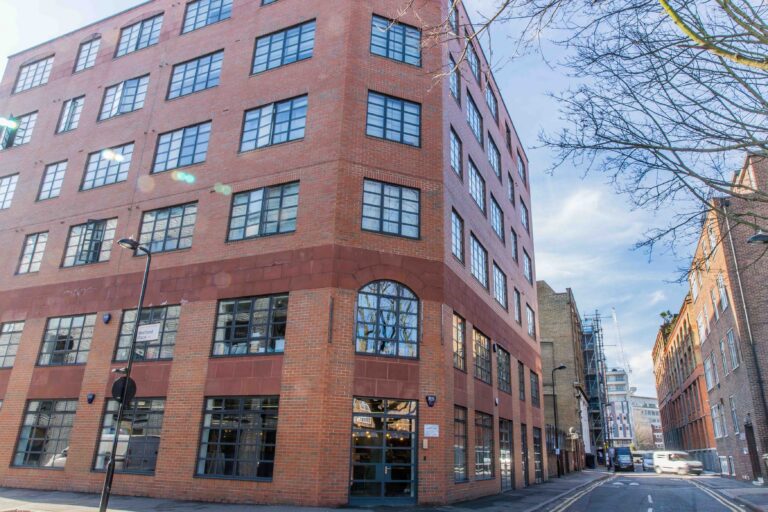
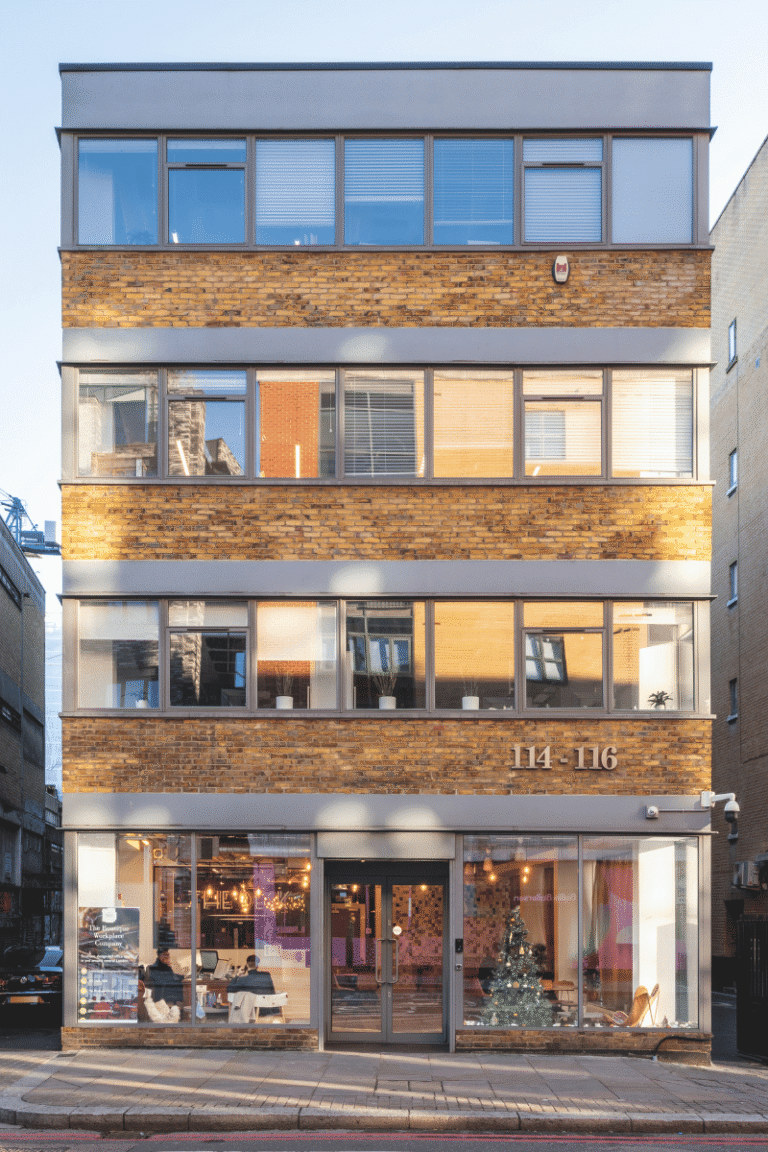
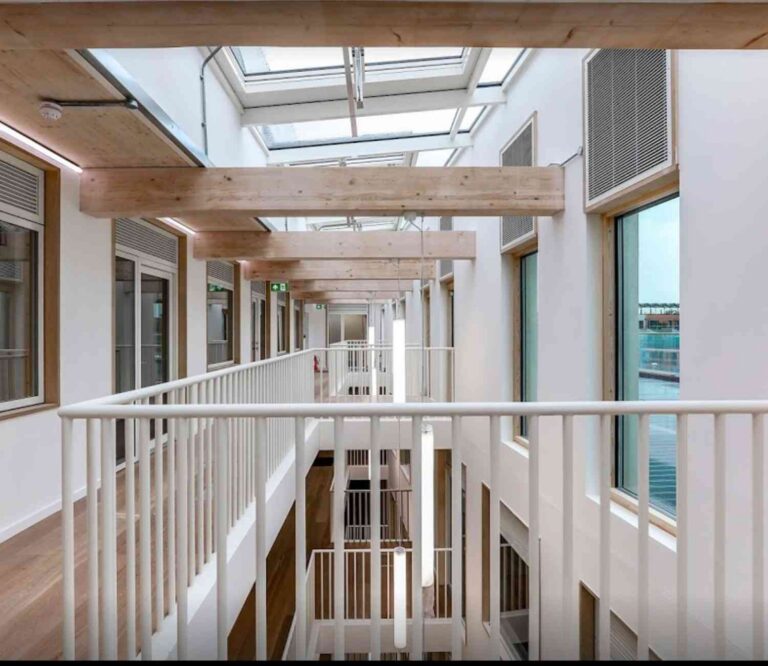
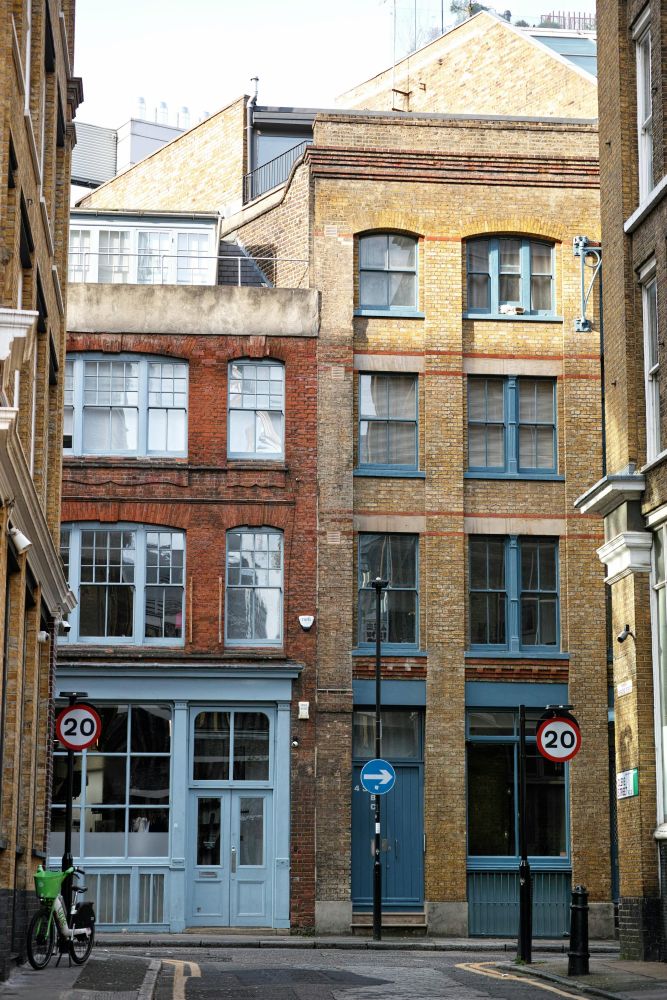
Converted Victorian warehouses and industrial buildings define character. Expect: exposed brickwork, high ceilings (often 3m+), open-plan layouts, original features (cast iron columns, timber beams, factory windows). Modern amenities (good internet, meeting rooms, bike storage) in historic shells. The aesthetic is deliberate; tech companies want industrial authenticity. Some purpose-built modern exists but converted space dominates demand. Ask about noise (open plan means noise travels), phone booths (essential for calls), and heating (high ceilings can mean cold winters).
Getting around
Old Street station (Northern line, National Rail) is the hub. Direct to Bank (5 mins), London Bridge (8 mins), King's Cross (10 mins). The roundabout itself is being transformed into public space (completion 2025). Shoreditch High Street (Overground) is 10 minutes. Angel (Northern) is 10 minutes.
Who this neighbourhood suits
Best for: Tech startups, scaleups, digital agencies, software companies, impact tech ventures, and innovation-focused businesses. Teams who want ecosystem benefits and startup energy. Not for: Traditional professional services, client-facing businesses requiring formal settings, or anyone uncomfortable with casual dress codes and ping-pong tables. The vibe is relentlessly startup.
Highlights
- Silicon Roundabout. London's tech epicentre since 2008
- Government-backed; innovation district investment since 2010
- Tech ecosystem; networking, events, shared resources
- Competitive pricing; £400-600/desk for quality space
- Startup culture; informal, energetic, purpose-driven
How it compares
Old Street is pure tech ecosystem. Here's how it compares:
Shoreditch
- Price: Similar pricing
- Vibe: More creative/consumer tech, edgier nightlife
- Best for: Creative tech, younger teams
Farringdon
- Price: Similar pricing
- Vibe: AI focus, better transport
- Best for: AI, climate-tech
Transport options
| Station | Lines | Walk (mins) |
|---|---|---|
| Old Street | Northern, National Rail | 3 |
| Angel | Northern | 10 |
| Shoreditch High Street | Overground | 10 |
Pricing
Typical monthly price range (per desk): £400–£600.
January 2026 data. Quality space at competitive rates.
Methodology: Surveyed 15+ Old Street providers. Updated quarterly.
Nearby neighbourhoods
- Shoreditch (shoreditch): Creative tech, better nightlife
- Farringdon (farringdon): AI Hub, Elizabeth line
- Clerkenwell (clerkenwell): Design district, refined
- Bank/Monument (bank-monument): Heart of the Square Mile
FAQs
What are typical office costs in Old Street?
Managed office space ranges £400-600 per desk per month for quality space. The wide range (£210-820) reflects building variety from basic to premium. Competitive pricing compared to established tech hubs elsewhere.
What's included; and what defines Old Street spaces?
Standard inclusions: high-speed internet, furnished workspace, meeting room credits, kitchen access, cleaning, utilities, and 24/7 access. Old Street character: warehouse aesthetics (exposed brick, high ceilings), startup neighbours, community events, informal atmosphere. Less corporate infrastructure than established business districts; more ecosystem benefits, networking events, and shared resources. Ask about noise levels (open plan dominates) and phone booth availability.
How does Old Street compare to Shoreditch?
Old Street is slightly more corporate than Shoreditch; the government investment brought larger companies. Shoreditch has edgier nightlife and creative tech. Old Street has more B2B tech and impact ventures. The areas overlap and both benefit from shared ecosystem.
What happened to Silicon Roundabout?
The cluster matured. Major companies (Cisco, Facebook, Google, Amazon) established presence. Government backed growth from 2010. The 'startup' label understates current scale; it's now an established tech district. The ecosystem remains; the scrappiness evolved.
What's the food and amenities scene?
Better than the roundabout suggests. Shoreditch High Street (adjacent) has extensive restaurants and bars. Hoxton Square for evening drinks. Dishoom Shoreditch for reliable crowds. Ozone Coffee for specialty caffeine. The area serves young professionals who care about where they eat; independent options dominate chains. Quality food and nightlife were part of what attracted creative industries originally. For client entertaining, abundant choice; for team drinks, no shortage of options.
Is Old Street suitable for non-tech businesses?
Possible but unusual. The ecosystem is tech-focused; events, networking, culture all assume tech context. Professional services supporting tech companies fit well. Traditional businesses might feel out of place.
What's it actually like working here?
Expect: Tech conversations everywhere, startup pitches in cafes, warehouse aesthetics, networking events, B Corp neighbours, casual dress as default, Northern line commute. Don't expect: Corporate polish, quiet focus, traditional meetings, or anyone discussing anything except tech. Old Street is ecosystem; you're part of it or you're visiting.