Serviced Offices in Bermondsey
White Cube gallery brought contemporary art to Victorian leather warehouses. Maltby Street Market created a food destination under railway arches. Bermondsey combines heritage with creative energy and culinary excellence; where design studios, architecture firms, and media companies converge.
The Vibe
Creative-food fusion with industrial authenticity. Younger professionals and creatives value the emerging character. Railway arches house artisan food producers. Galleries occupy converted warehouses. The area balances rough edges with sophisticated output; not polished, but increasingly desirable.
The Buildings
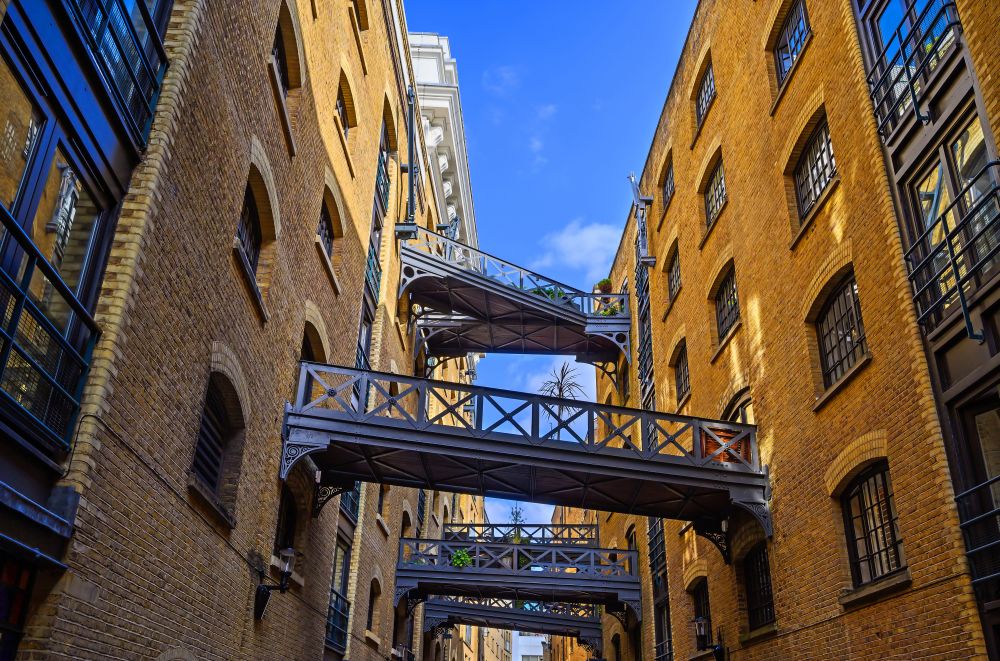
Victorian industrial heritage preserved; leather tanning warehouses converted to studios, railway arches transformed into food halls and workspaces. High ceilings, exposed brick, original timber characterise the stock. The Beyond Collective HQ (Stirling Prize architects) shows high-design conversion potential.
Getting Around
Bermondsey station (Jubilee line) provides direct connections to Canary Wharf, Westminster, and Bond Street. London Bridge is 10 minutes walk with multiple lines. The area sits between two major hubs; convenient if slightly between transport nodes.
Who this neighbourhood suits
Best for: Design studios, architecture firms, creative agencies, independent media, artisan food businesses. Not for: Client-facing businesses needing corporate polish, or firms requiring maximum transport connectivity.
Highlights
- White Cube gallery; world-class contemporary art
- Maltby Street Market; artisan food every weekend
- £380+/desk; creative pricing, central-ish location
- Victorian warehouse character; exposed brick, high ceilings
- Fashion and Textile Museum, design education hub
How it compares
Bermondsey vs nearby alternatives:
London Bridge/Borough
- Price: £500+ (vs Bermondsey £380+)
- Vibe: More corporate, Shard proximity
- Best for: Firms wanting south London respectability
Shoreditch
- Price: £210+ (cheaper)
- Vibe: Tech-creative, busier, noisier
- Best for: Startups wanting maximum creative density
Transport options
| Station | Lines | Walk (mins) |
|---|---|---|
| Bermondsey | Jubilee | 5 |
| London Bridge | Northern, Jubilee, National Rail | 12 |
| Borough | Northern | 15 |
Pricing
Typical monthly price range (per desk): £380–£700.
Private offices typically £450-£550/desk. Emerging area pricing advantage. (January 2026 data)
Methodology: Surveyed from managed office providers in this area. Updated quarterly.
Nearby neighbourhoods
- London Bridge/Borough (london-bridge-borough): Borough Market, major transport
- Bankside/Southwark (bankside-southwark): Tate Modern, cultural south bank
- South Bank (south-bank): Theatres, National Theatre
- Borough (Elephant & Castle) (borough-elephant-castle): Regenerating, student area
FAQs
Why are creative businesses moving to Bermondsey?
Value and character. Central London prices pushed creative firms seeking affordable warehouse space. Bermondsey's industrial buildings provide the aesthetic at lower rents than Shoreditch or Clerkenwell. The gallery and food scene add cultural legitimacy.
What's Maltby Street Market like?
Weekend food destination under railway arches. Neal's Yard Dairy, The Kernel Brewery, artisan producers sell direct. It's smaller than Borough Market, more curated, less touristy. Creative professionals treat it as neighbourhood amenity and client entertainment venue.
Is Bermondsey suitable for client meetings?
For the right clients. Design, architecture, and creative clients appreciate the industrial setting. Corporate clients expecting polish might find it too raw. Know your audience. Bermondsey impresses creatives and alienates traditionalists.
How does Bermondsey compare to Shoreditch?
Less developed, more genuine. Shoreditch has gentrified into established creative hub with corresponding prices. Bermondsey maintains rougher edges and lower costs. Both offer warehouse aesthetic. Bermondsey feels more emerging, Shoreditch more arrived.
What's the gallery scene like?
Anchored by White Cube's expansion from the West End. Smaller galleries cluster along Bermondsey Street. Fashion and Textile Museum provides design education. The concentration creates critical mass for creative credibility without Mayfair prices.
Is the area still improving?
Yes; regeneration continues. New residential and commercial development brings amenities. But Bermondsey maintains industrial character that some areas lose to gentrification. The railway arches and warehouse stock resist complete transformation.
What's the evening scene like?
Better than most. Bermondsey Street offers independent restaurants (José tapas is excellent), wine bars, and galleries with evening openings. Not late-night party territory, but civilised after-work options exist beyond the office.