
Soho
The Vibe
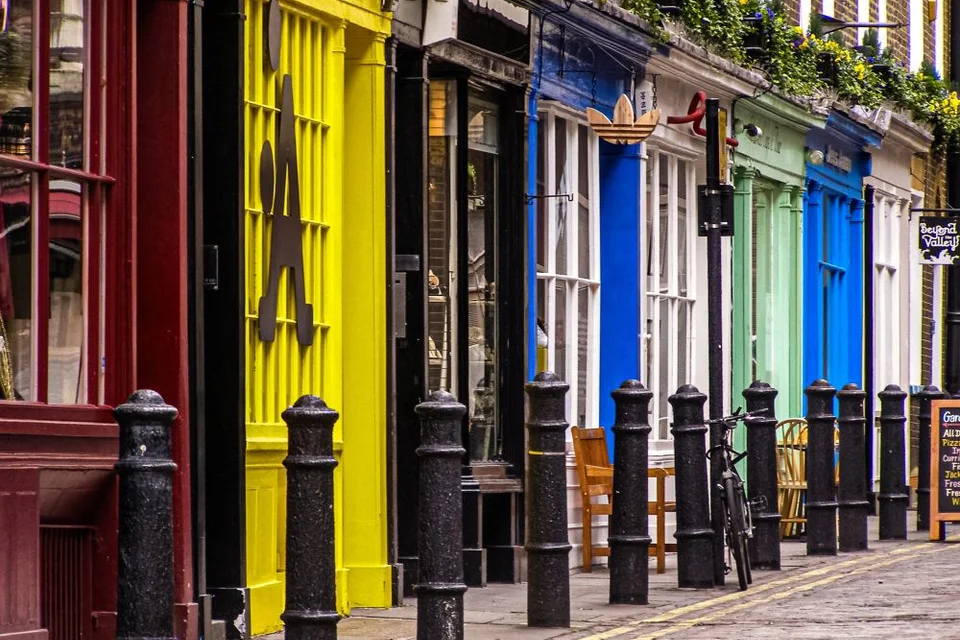
Cramped, connected, always on. By 5pm the pubs spill onto the pavements. By 6pm you'll recognise faces from rival agencies. Soho rewards people who network over lunch and close deals at members' clubs. Film production, advertising, post-production, and music cluster here because proximity still matters. Soho Radio broadcasts from Dean Street. The Groucho is still taking memberships. Soho House started on Greek Street. If you need to be in the room, this is the room. The narrow streets mean you'll bump into people; that's the point. Berwick Street Market still operates. The Coach and Horses still pours. Ronnie Scott's still hosts jazz at 10pm. Soho resists chains by being too awkward for them.
The Buildings
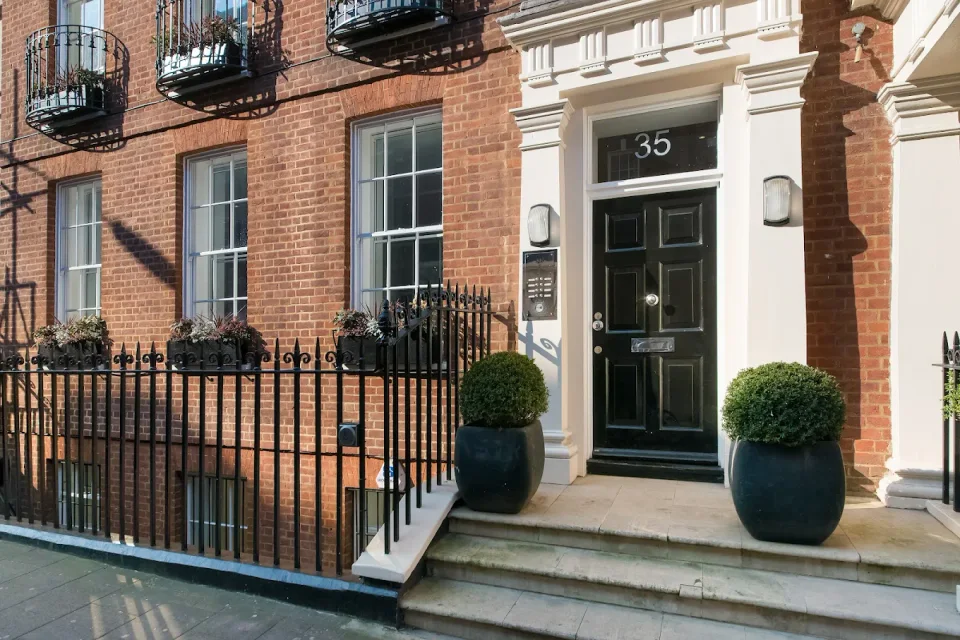
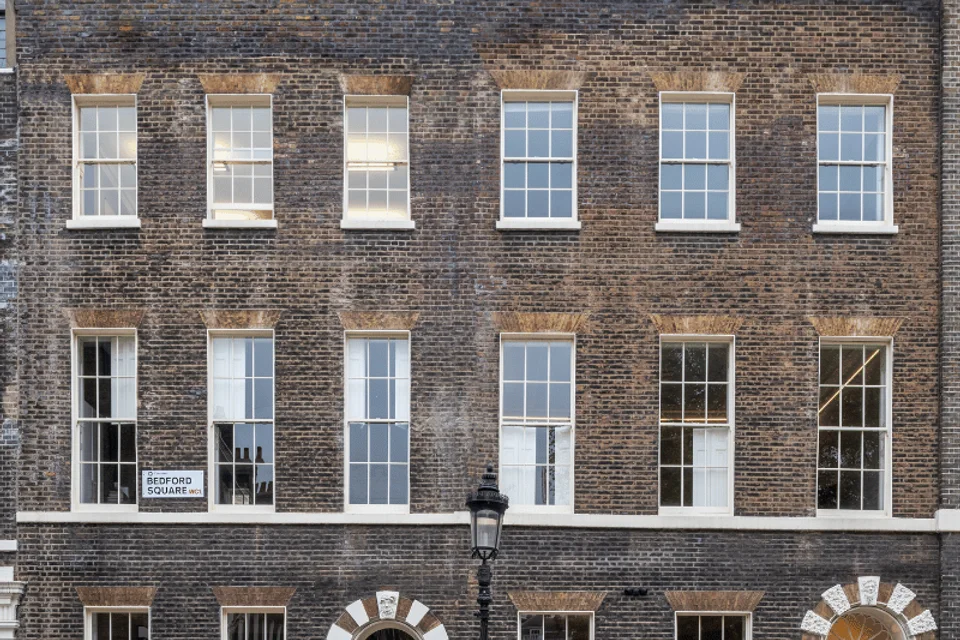
Georgian townhouses with narrow stairs and no lifts. Expect 3-4 floors above street-level restaurants, original fireplaces that don't work, and sash windows that do. Floorplates are small; typically 800-1,500 sq ft per floor. Air conditioning is rare in period stock; top floors cook in summer. What you sacrifice in spec, you gain in address and atmosphere. Basements exist but are often unusable; damp, no windows, storage only. Roof terraces are rare but valuable. Some buildings have internal courtyards that provide unexpected light and calm.
Getting Around
Tottenham Court Road (Central, Northern, Elizabeth) puts you on the new Elizabeth line. Heathrow in 35 mins. Oxford Circus is 8 minutes walk north. Leicester Square 5 minutes south. Central line to Bank takes 10 minutes, not 5; don't believe agents who say otherwise. Walking is often faster than the tube for local meetings.
Who this neighbourhood suits
Best for: Media companies, film/TV production, advertising agencies, post-production, anyone who needs to network in entertainment. Not for: Teams needing quiet focus, large floor plates, or value for money. Noise level: Constant; busy streets, deliveries, nightlife spillover. Late working is normal here; the neighbourhood provides company and options until midnight.
Highlights
Wardour Street: UK film industry's home address since 1920s
Golden Square: London's highest density of ad agencies
5pm pub crowds; networking whether you want to or not
Members' clubs: Groucho, Soho House, The Hospital
Elizabeth line: Heathrow in 35 mins from TCR
How it compares
Soho vs nearby alternatives:
Fitzrovia
Price: £650+ (15-20% less)
Vibe: Calmer, more village-like
Best for: Creative agencies wanting West End without Soho intensity
Covent Garden
Price: £750+ (similar)
Vibe: More tourist footfall, theatre focus
Best for: Entertainment businesses with theatre connections
Transport options
Tottenham Court Road > Central, Northern, Elizabeth > 5 mins
Leicester Square > Northern, Piccadilly > 5 mins
Oxford Circus > Bakerloo, Central, Victoria > 8 mins
Pricing
Typical monthly price range (per desk): £745–£888.
Premium West End location. Median around £830/desk. (January 2026 data)
Methodology: Surveyed from managed office providers in this area. Updated quarterly.
Nearby neighbourhoods
Fitzrovia (fitzrovia): Similar creative scene, calmer streets, 15% cheaper
Covent Garden (covent-garden): Theatre district, similar pricing
Marylebone (marylebone): Village feel, professional services focus
Mayfair (mayfair): Maximum prestige, finance focus, higher price
FAQs
Can I actually get work done in Soho, or is it all networking?
Both. Mornings are productive; the neighbourhood wakes up late. By 1pm, lunch meetings start. By 5pm, spontaneous drinks. If your work requires deep focus all day, Soho will frustrate you. If your work requires knowing what's happening in media, there's no substitute.
What's included; and what period buildings lack?
Standard: internet, furniture, meeting rooms, kitchen, cleaning, utilities; but in Georgian townhouses, expect character over consistency. What Georgian townhouses often lack: air conditioning (top floors cook in August), lifts (4 floors of stairs), large meeting rooms (floorplates are small), bike storage (no basement). If summer cooling matters or you have accessibility needs, specify upfront; not all Soho buildings can deliver.
How long will my team's commute be?
From Camden: 15 mins. From Clapham: 20-25 mins. From Shoreditch: 15-20 mins. From Hammersmith: 20 mins. Central location means roughly equal commutes from all directions; no one's journey is terrible, but no one's is short either.
Are there meeting rooms suitable for clients?
Yes, but room sizes are typically small given the building stock. Boardrooms for 12+ people are rare; most spaces suit 4-8. For larger client presentations, many businesses use nearby members' clubs (Soho House, The Groucho) or hotel meeting rooms. Ask about meeting room capacity before signing.
Is 24/7 access available?
Most managed offices offer it, but confirm for your specific building. The neighbourhood never sleeps; you'll have company at 2am. Some smaller period buildings have restricted hours due to residential neighbours above. Weekend access is rarely an issue. The neighbourhood itself never truly sleeps; restaurants serve until midnight, bars later. Whether that's convenient or distracting depends on your working patterns.
Can I host client events or screenings in Soho?
Easily. Soho has more screening rooms, private dining rooms, and event spaces per square metre than anywhere in London. Most managed offices can arrange venue hire nearby. The challenge is finding somewhere not already booked.
What's it actually like working here?
Expect: Narrow stairs, pub lunches that extend, chance meetings with commissioners, Soho Radio playing in coffee shops, tourists on weekends, excellent Chinatown food at midnight. Don't expect: Quiet, parking, modern building specs, air conditioning, or getting through Carnaby Street quickly in December.
Explore more
Other neighbourhoods in West End Core
St James’s
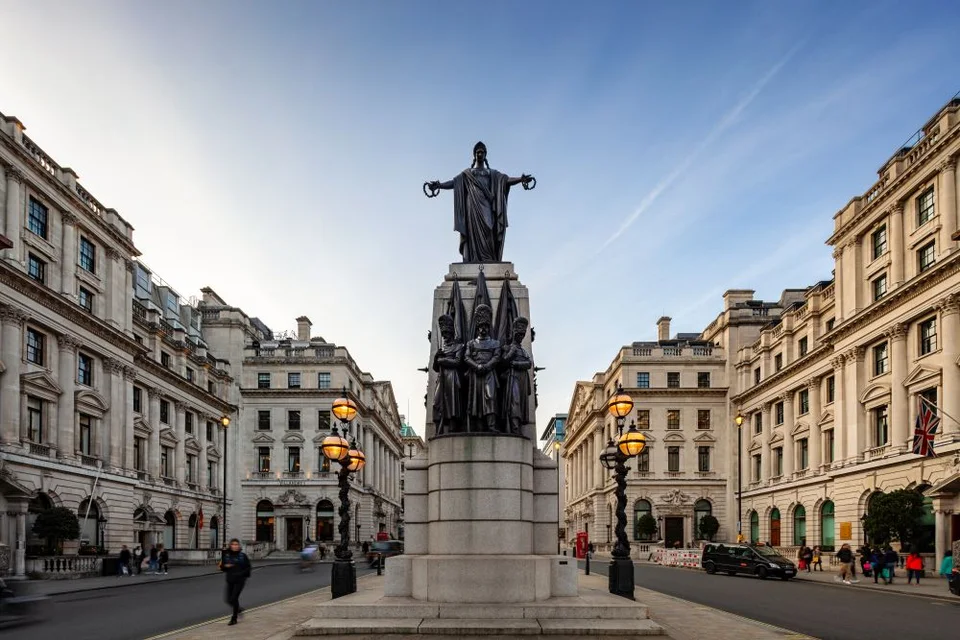
London's most exclusive business address. St James's has had royal connections since Henry VIII built the palace in 1531. Today: hedge funds, private wealth managers, and auction houses in Georgian townhouses steps from Buckingham Palace. White's and Boodle's still take members. If Mayfair is old money, St James's is older.
Mayfair
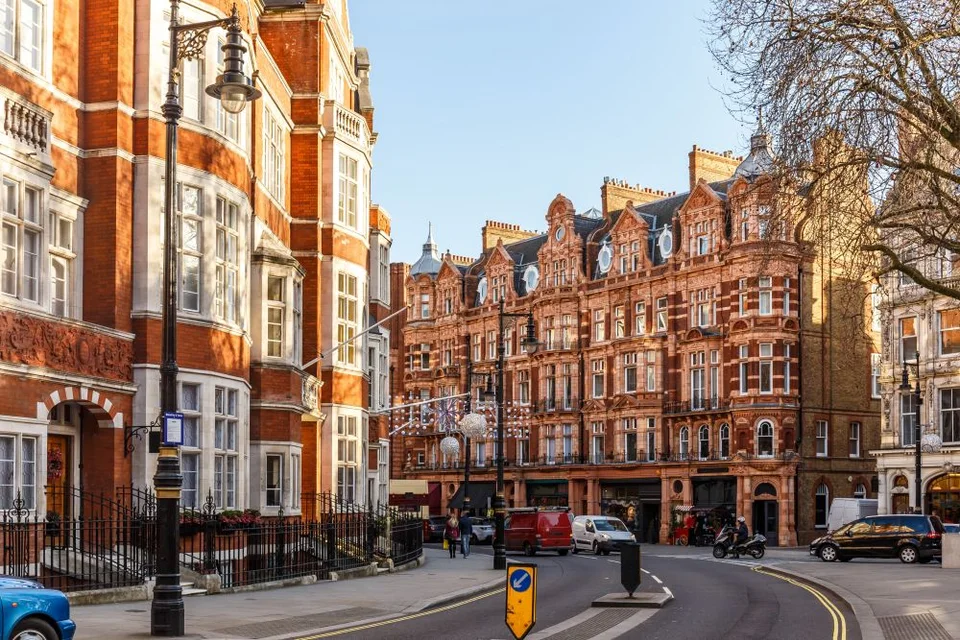
Berkeley Square has more hedge funds per building than anywhere in Europe. Brook Street has the private equity. Savile Row has the tailors who dress them. Mayfair exists for businesses where the address is part of the pitch; wealth management, family offices, and anyone whose clients arrive in chauffeur-driven cars.