
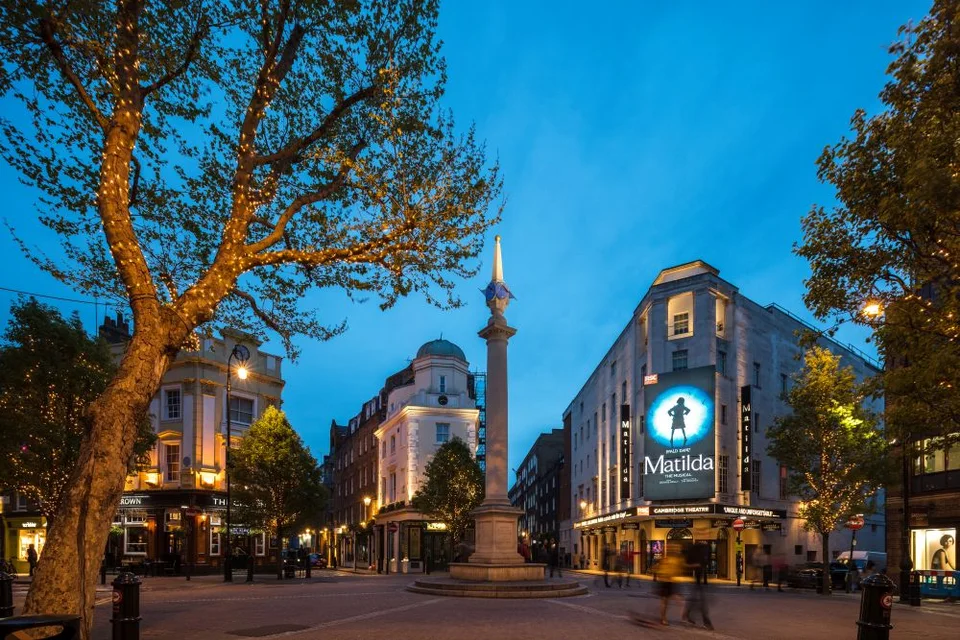
Strand
The vibe
Historic thoroughfare connecting power centres. The Strand physically links Westminster (government) to the City (finance); it's been London's processional route for centuries. King's College London dominates one stretch; Royal Courts of Justice another. The Savoy (London's first luxury hotel, opened 1889) sets hospitality standards. Somerset House hosts Courtauld Gallery and cultural programming. Two island churches (St Mary le Strand, St Clement Danes) interrupt traffic in baroque splendour. It's a working corridor rather than destination; impressive to pass through, functional to work beside.
The buildings
Varied but generally substantial. Somerset House (1776) is architecturally exceptional. Australia House and neighbouring embassies add Edwardian grandeur. Royal Courts bring Victorian Gothic drama. Office buildings range from distinguished period to functional modern. Less converted warehouse character than elsewhere; more traditional commercial premises. River glimpses possible from southern buildings but rare. Ask about road noise (it's a busy thoroughfare), specific building character (they vary significantly), and proximity to your preferred end (Westminster vs Temple).
Getting around
Charing Cross and Temple stations serve the Strand. Charing Cross (Bakerloo, Northern, National Rail) handles the western end. Temple (District, Circle) serves the eastern end near Royal Courts. Covent Garden (Piccadilly) is 5 minutes north. Walking along the Strand connects everything; it's a 15-minute walk end to end.
Who this neighbourhood suits
Best for: Legal firms (Royal Courts proximity), media companies, professional services, educational organisations, and businesses valuing historic prestige with central location. Teams wanting Westminster-City connectivity without choosing either. Not for: Businesses seeking neighbourhood feel, startups wanting community, or teams needing quiet residential surroundings. The Strand is thoroughfare, not village.
Highlights
Royal Courts of Justice. High Court and Court of Appeal
King's College London; major university presence
Strategic connection; links Westminster and City directly
The Savoy; luxury hotel, iconic London institution
Theatrical proximity. Adelphi, Lyceum, West End access
How it compares
The Strand bridges legal and entertainment districts. Here's how it compares:
Chancery Lane
Price: Similar pricing
Vibe: More intensely legal
Best for: Pure legal focus
Covent Garden
Price: Similar pricing
Vibe: More entertainment focus
Best for: Creative, media businesses
Transport options
Charing Cross > Bakerloo, Northern, National Rail > 5 mins
Temple > District, Circle > 5 mins
Covent Garden > Piccadilly > 7 mins
Pricing
Typical monthly price range (per desk): £400–£1,350.
January 2026 data. Midtown pricing range.
Methodology: Surveyed Strand-area providers. Updated quarterly.
Nearby neighbourhoods
Covent Garden (covent-garden): Market, theatres, more buzz
Chancery Lane (chancery-lane): Legal heartland
Bank/Monument (bank-monument): Heart of the Square Mile
Victoria/Westminster (victoria-westminster): Government adjacent
FAQs
What makes the Strand unique for businesses?
Rare combination of historic prestige, central location linking Westminster and City, cultural vibrancy from theatres, and proximity to legal institutions (Royal Courts of Justice) and universities (King's College). The address has centuries of significance.
What's included; and what varies on the Strand?
Standard inclusions: high-speed internet, furnished workspace, meeting room credits, kitchen access, cleaning, utilities, and building access. The Strand varies from premium historic buildings (Savoy area) to more standard office space. Ask about: river glimpses (rare but available), road noise (it's a busy thoroughfare), air conditioning quality in period buildings, and meeting room impressiveness for client presentations.
Is the Strand suitable for modern businesses?
Yes. Contemporary regeneration has preserved heritage while creating modern office space. Many buildings combine historical facades with modernised interiors. The area attracts media, legal, and professional services who value historic character with practical infrastructure.
How does legal proximity work?
Royal Courts of Justice are architecturally spectacular. The Victorian Gothic building (opened 1882, 1,000 rooms, 5.5 acres) houses High Court and Court of Appeal. Guided tours available. For legal businesses, proximity is functional; for non-legal businesses, it's impressive backdrop for visitors. The courts add gravitas to the thoroughfare. Somerset House opposite provides cultural counterweight.
What's the food and amenities scene?
Split between institutional and convenience. Somerset House has restaurants and cafes in spectacular courtyard setting. The Savoy for extravagant client entertaining (Beaufort Bar, Grill). Covent Garden (5 min walk) provides extensive variety. Temple area has old pubs serving legal profession. Chain options throughout for everyday needs. The Strand itself is more corridor than destination; you'll walk to adjacent areas (Covent Garden, Temple, Embankment) for memorable meals.
What's evening/weekend activity like?
Theatres bring evening activity. The Savoy and nearby hotels maintain life. Weekends quieter than entertainment districts but not dead. Better than pure business areas like City Core.
What's it actually like working here?
Expect: Historic buildings, legal neighbours, theatre-goers at 6pm, tourists photographing churches, King's College students, busy traffic, strategic location. Don't expect: Neighbourhood feel (it's a thoroughfare), quiet streets, or cutting-edge vibe. The Strand is historic importance made architectural.

Explore more
Other neighbourhoods in Midtown
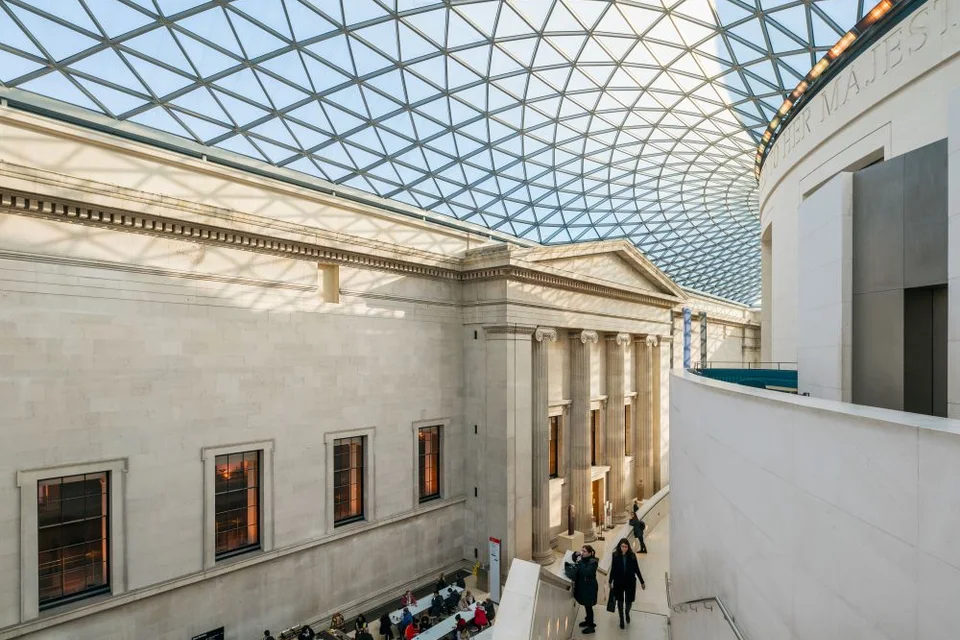
Bloomsbury
London's intellectual quarter since 1826. Bloomsbury hosts the British Museum (6 million annual visitors), University College London, and what remains of London's publishing industry. Virginia Woolf and the Bloomsbury Group established the area's literary reputation. Today: academics, educational organisations, and businesses who value ideas over image.
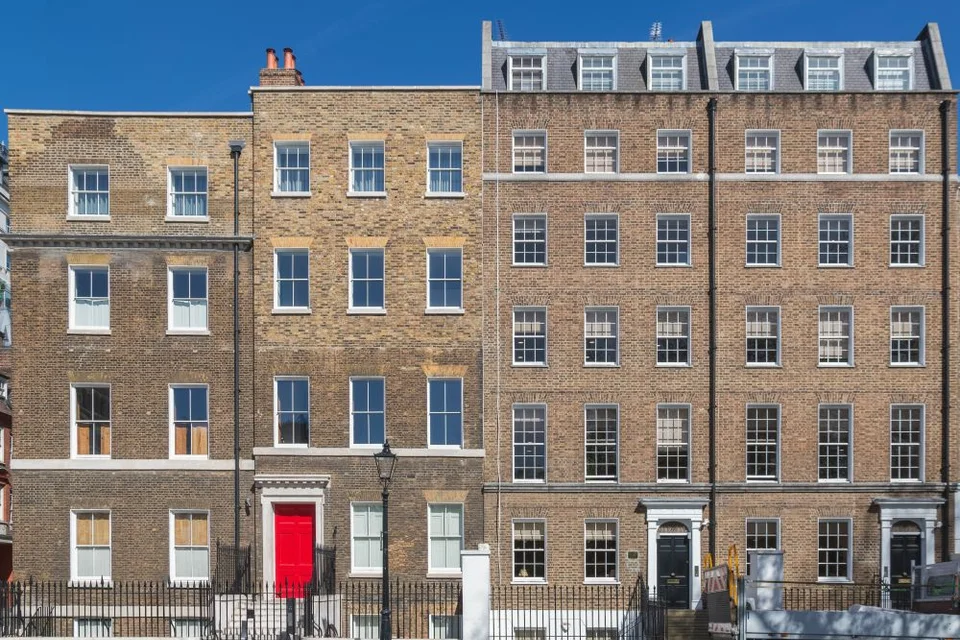
Chancery Lane
London's legal heartland since the Knights Templar arrived in 1161. Chancery Lane hosts Lincoln's Inn (one of four Inns of Court), the Law Society headquarters, and centuries of legal heritage. Barristers in wigs walk to court. Solicitors fill the pubs at lunch. If law is your business, this is where you belong.
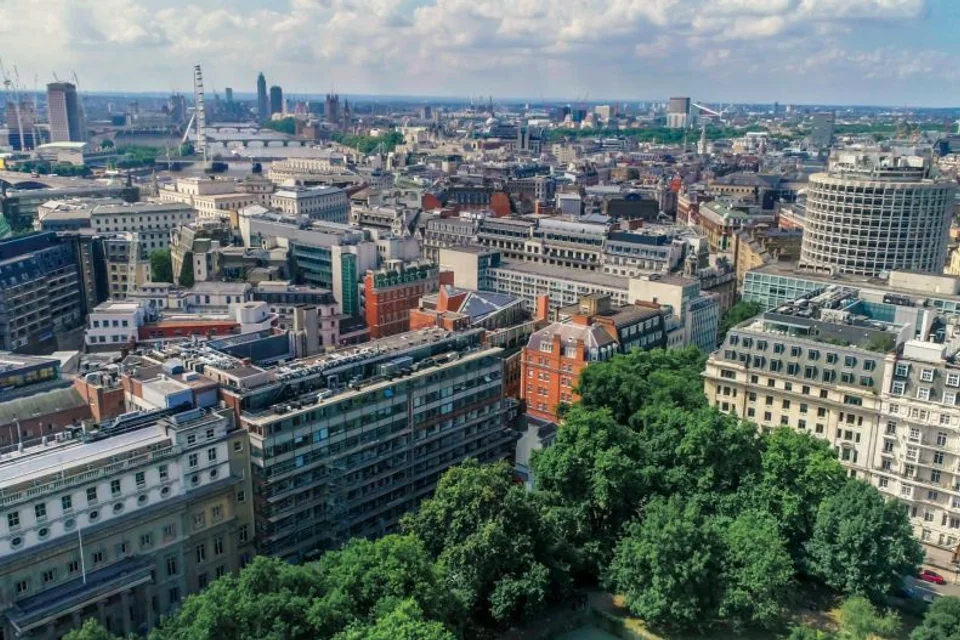
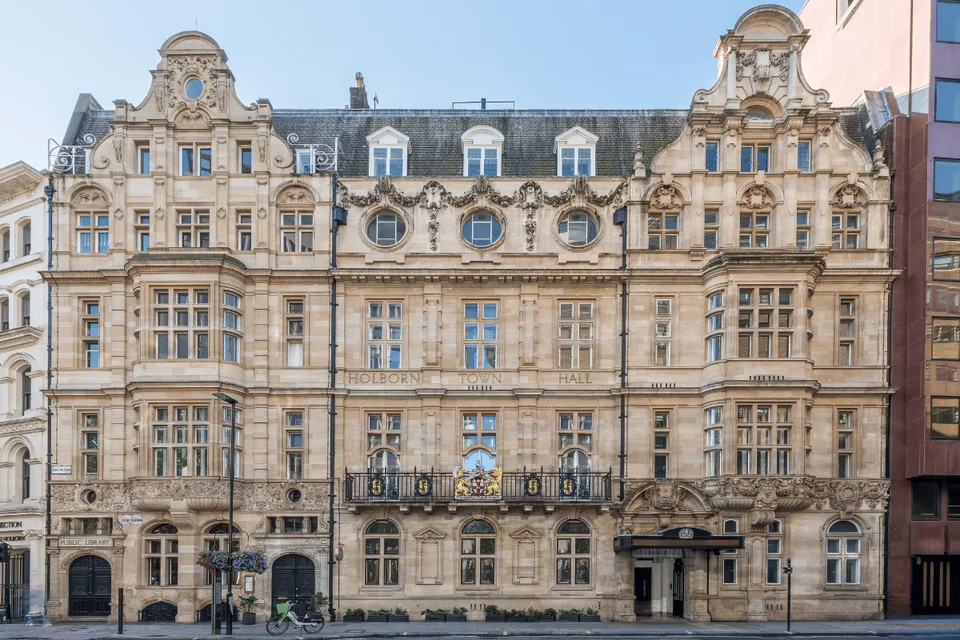
Holborn
Where legal tradition meets central London practicality. Holborn hosts two Inns of Court (Lincoln's Inn and Gray's Inn), the Royal Courts of Justice nearby, and centuries of professional heritage. Between the City and West End with exceptional transport; a strategic location for professional services of all kinds.