
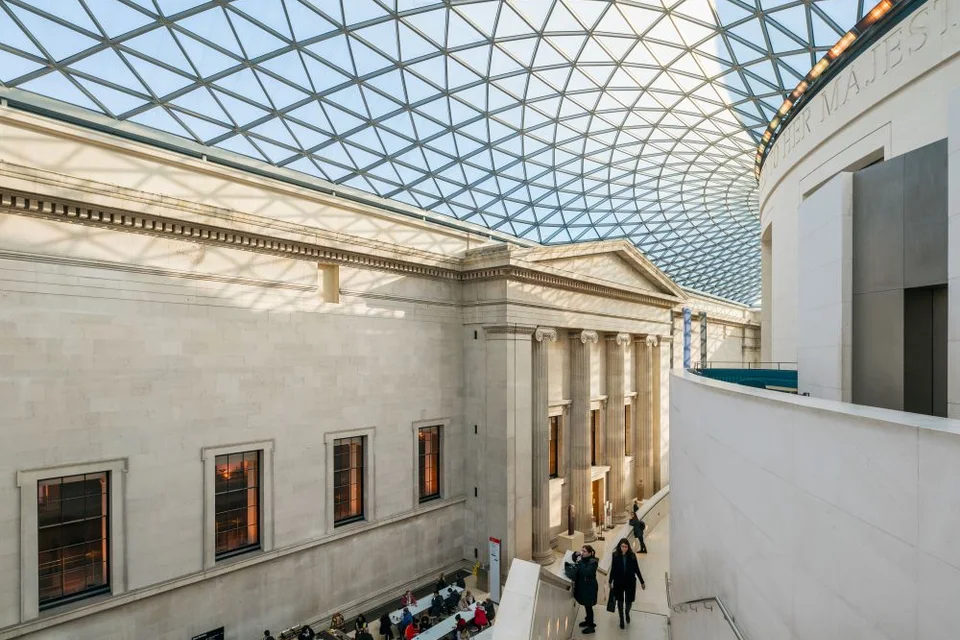
Bloomsbury
The Vibe
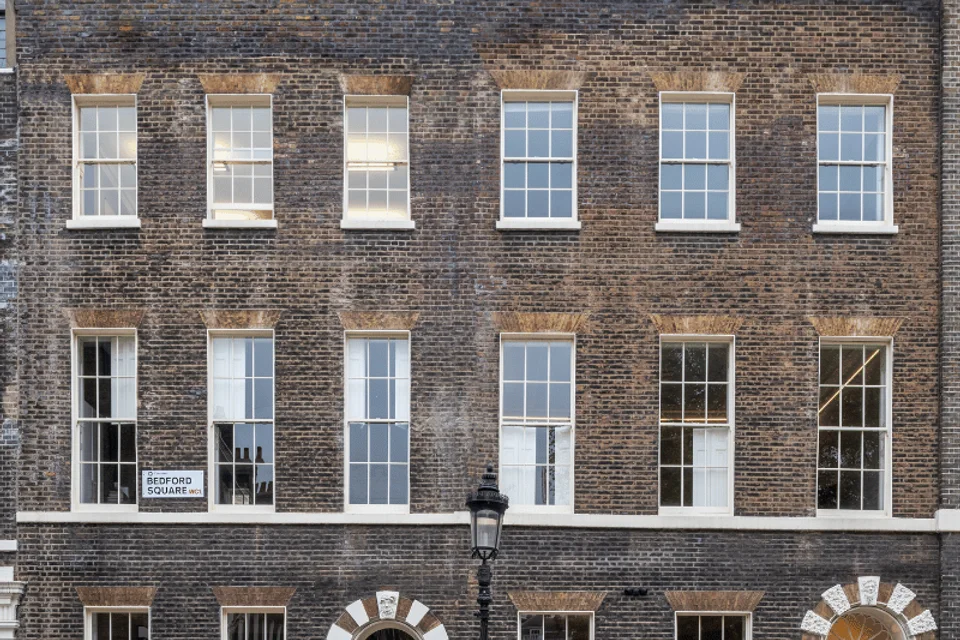
Intellectual quarter with Georgian bones. Bloomsbury is defined by institutions: British Museum (6+ million visitors annually, free entry), University of London, UCL, SOAS, Birkbeck. The Bloomsbury Group (Woolf, Keynes, Forster, Bell) established literary credentials a century ago; publishing houses followed (Faber & Faber was here until 2009). Georgian garden squares provide green sanctuary. Bloomsbury Square (c.1660), Bedford Square (1783, London's best-preserved Georgian square), Russell Square (7 acres). The atmosphere is scholarly rather than commercial.
The buildings
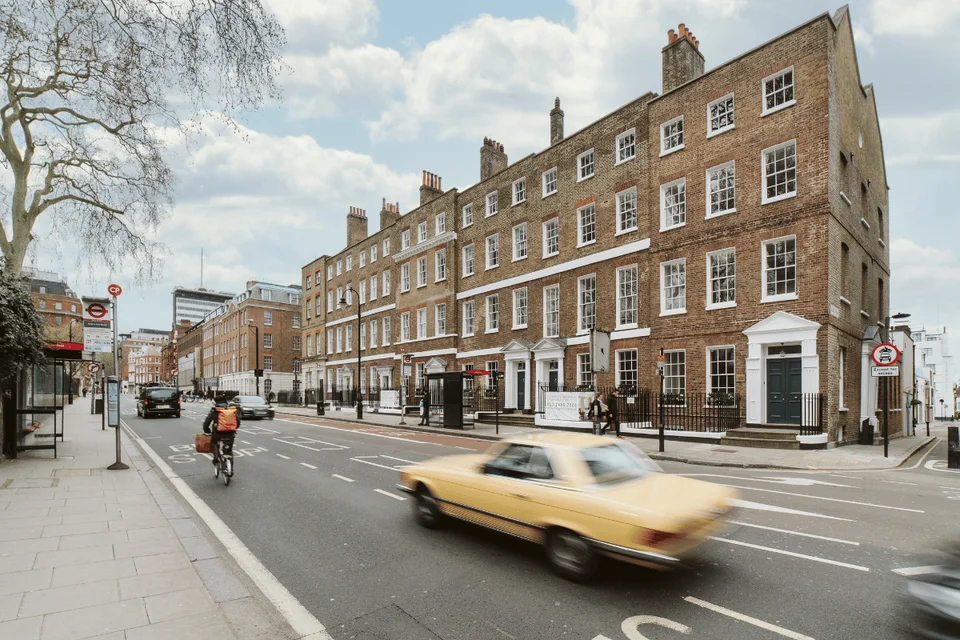
Georgian townhouses around garden squares; this is where the London square template was perfected. Period features abound: high ceilings, large windows, original fireplaces, elegant proportions. Buildings were designed for civilised living, not corporate efficiency. Some purpose-built offices exist but don't dominate character. University buildings offer occasional overflow space. Ask about air conditioning (period buildings vary significantly), lift access (many walk-up), and garden square access (some buildings have keys to private gardens).
Getting around
Well-served from multiple directions. Russell Square (Piccadilly) is central. Goodge Street (Northern) covers the west. Euston and King's Cross (Northern, Victoria, Metropolitan, H&C, Circle, Thameslink) serve the north with excellent national rail. Tottenham Court Road (Central, Northern, Elizabeth) handles the south. Between Westminster and the City, accessible to both.
Who this neighbourhood suits
Best for: Educational organisations, publishers, research institutions, cultural nonprofits, academic consultancies, and professional services who value intellectual atmosphere. Teams whose work involves thinking; and whose clients appreciate association with learning. Not for: Finance intensity seekers, businesses wanting commercial buzz, or teams needing large modern floor plates.
Highlights
British Museum; world's first public national museum (1753), 6M+ visitors annually
Academic hub. UCL, University of London, research institutions
Literary heritage. Bloomsbury Group, Faber & Faber, publishing history
Georgian squares; beautiful architecture, garden access
Value pricing. Zone 1 location at £583-750/desk
How it compares
Bloomsbury offers intellectual atmosphere. Here's how it compares:
Fitzrovia
Price: Similar pricing
Vibe: More creative/commercial, less academic
Best for: Architects, designers, agencies
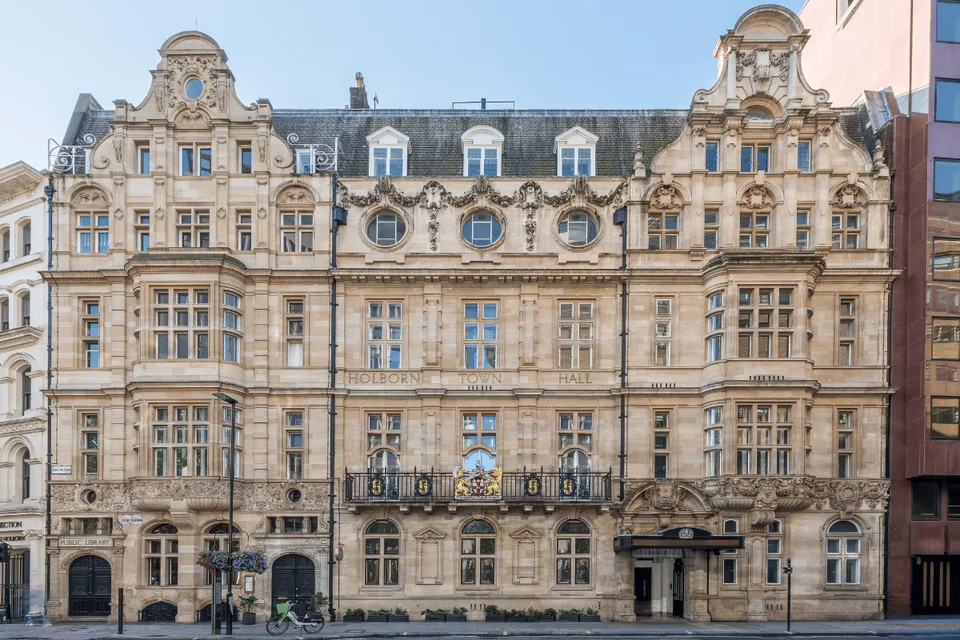
Holborn
Price: Similar pricing
Vibe: Legal focus, more professional services
Best for: Law firms, consultancies
Transport options
Russell Square > Piccadilly > 5 mins
Goodge Street > Northern > 7 mins
King's Cross St Pancras > Northern, Victoria, Metropolitan, H&C, Circle, Thameslink, Eurostar > 10 mins
Pricing
Typical monthly price range (per desk): £583–£750.
January 2026 data. Good value for Zone 1 central.
Methodology: Surveyed 15+ Bloomsbury providers. Updated quarterly.
Nearby neighbourhoods
Fitzrovia (fitzrovia): Creative agencies, design focus
King's Cross (kings-cross): Tech cluster, modern buildings
Holborn (holborn): Legal district, Inns of Court
Clerkenwell (clerkenwell): Design showrooms, creative
FAQs
What types of businesses thrive in Bloomsbury?
Educational institutions, publishers, research organisations, cultural nonprofits, academic consultancies, and professional services benefit from Bloomsbury's intellectual atmosphere. Proximity to universities creates recruitment advantages for knowledge-intensive businesses.
What's included; and what's the Bloomsbury character?
Standard inclusions: high-speed internet, furnished workspace, meeting room credits, kitchen access, cleaning, utilities, and building access. Bloomsbury character: Georgian buildings with period features, garden square views where available, scholarly atmosphere. Less corporate infrastructure than the City; smaller meeting rooms, period proportions, character over spec. Ask about air conditioning (varies in period buildings).
How does Bloomsbury compare to other central areas?
Publishing heritage persists though publishers dispersed. Faber & Faber was here until 2009; others relocated earlier. The literary association remains; bookshops, British Library nearby, university English departments. For publishing-adjacent businesses (literary agents, editorial services, academic publishing), the heritage provides credibility and community memory if not current clustering. The intellectual atmosphere suits serious content businesses.
Are meeting rooms adequate?
Yes, though often in Georgian proportions (characterful rather than corporate). For larger events, nearby hotels and the British Museum (corporate hire available) offer impressive alternatives. UCL venues also available for hire.
What's the food and amenities scene?
Intellectual rather than indulgent. British Museum for world-class culture (free). Brunswick Centre for everyday needs (cinema, shops, restaurants in Brutalist setting). Lamb's Conduit Street for independent shops and quality cafes. Fitzrovia (adjacent) adds restaurant options. The emphasis is bookshops, museums, and scholarly atmosphere rather than destination dining. For business entertaining, nearby Fitzrovia or Covent Garden offer more variety; Bloomsbury suits teams who value intellectual surroundings.
Is evening/weekend life limited?
Academic calendar affects the area. UCL, University of London, and associated institutions mean term-time brings students and energy; vacations bring quiet. Conference season sees academics globally. Russell Square hotels house visitors. For businesses, awareness of academic rhythm helps: term-time networking events, vacation quiet focus, conference opportunities for relevant sectors.
What's it actually like working here?
Expect: Students in the squares, British Museum visits at lunch, bookshops for browsing, academics as neighbours, Georgian elegance, intellectual conversations in the pub, affordable Zone 1. Don't expect: Corporate energy, finance intensity, late-night buzz, or anyone caring about your funding round. Bloomsbury values ideas over enterprise.

Explore more
Other neighbourhoods in Midtown
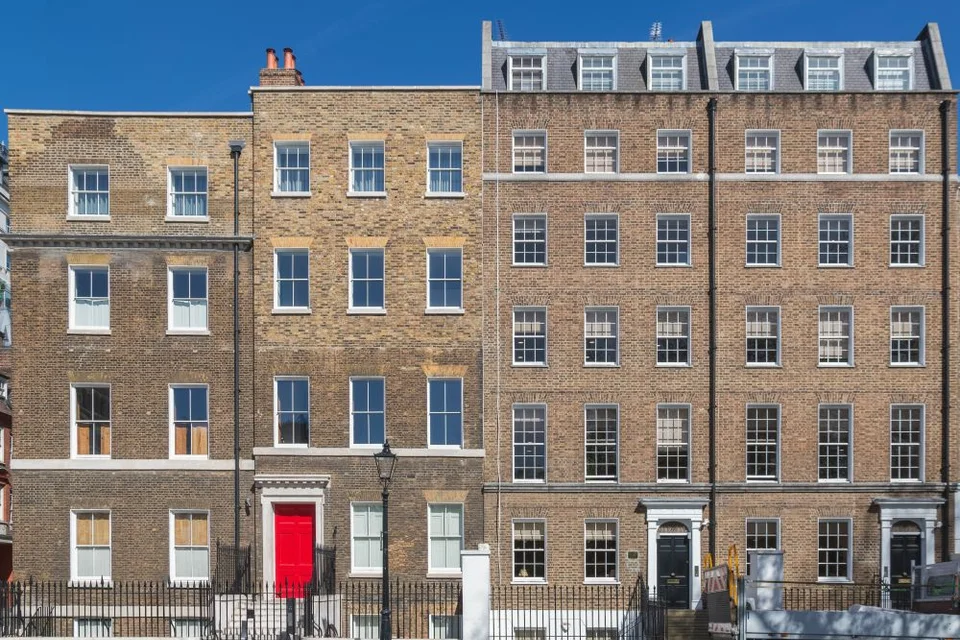
Chancery Lane
London's legal heartland since the Knights Templar arrived in 1161. Chancery Lane hosts Lincoln's Inn (one of four Inns of Court), the Law Society headquarters, and centuries of legal heritage. Barristers in wigs walk to court. Solicitors fill the pubs at lunch. If law is your business, this is where you belong.
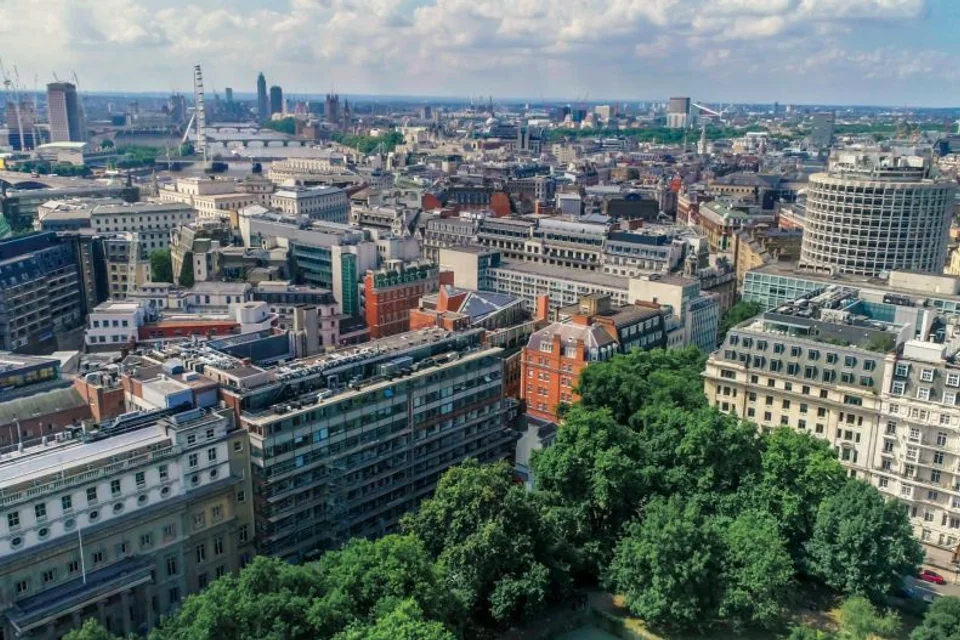
Holborn
Where legal tradition meets central London practicality. Holborn hosts two Inns of Court (Lincoln's Inn and Gray's Inn), the Royal Courts of Justice nearby, and centuries of professional heritage. Between the City and West End with exceptional transport; a strategic location for professional services of all kinds.
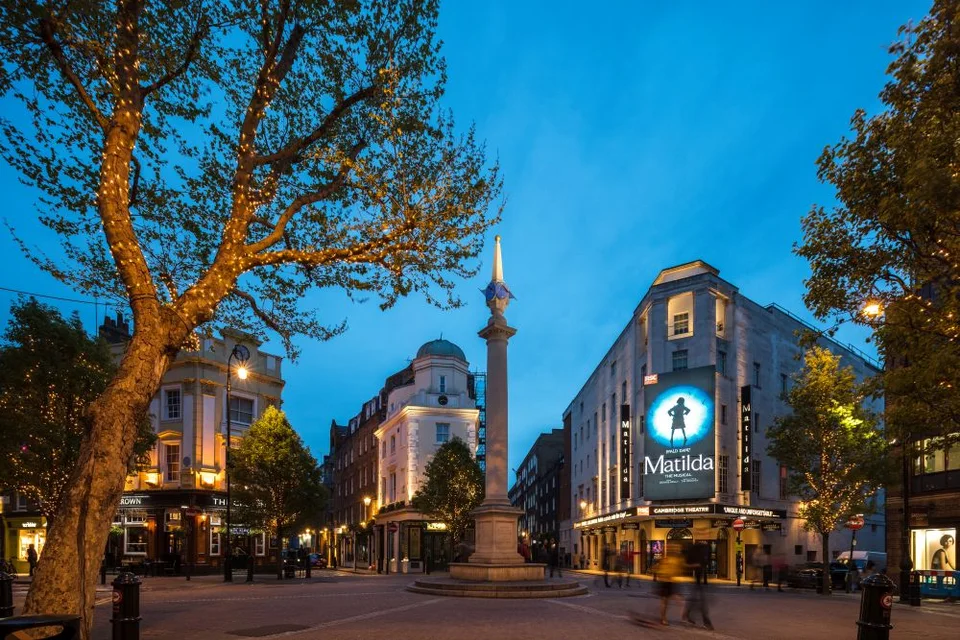
Strand
London's greatest thoroughfare. The Strand has connected Westminster and the City for centuries; once lined with aristocratic mansions, now home to the Royal Courts of Justice, King's College London, and The Savoy. In 1910, it was called 'the centre of the world.' Media, legal, and professional services drawn to historic significance and strategic location.